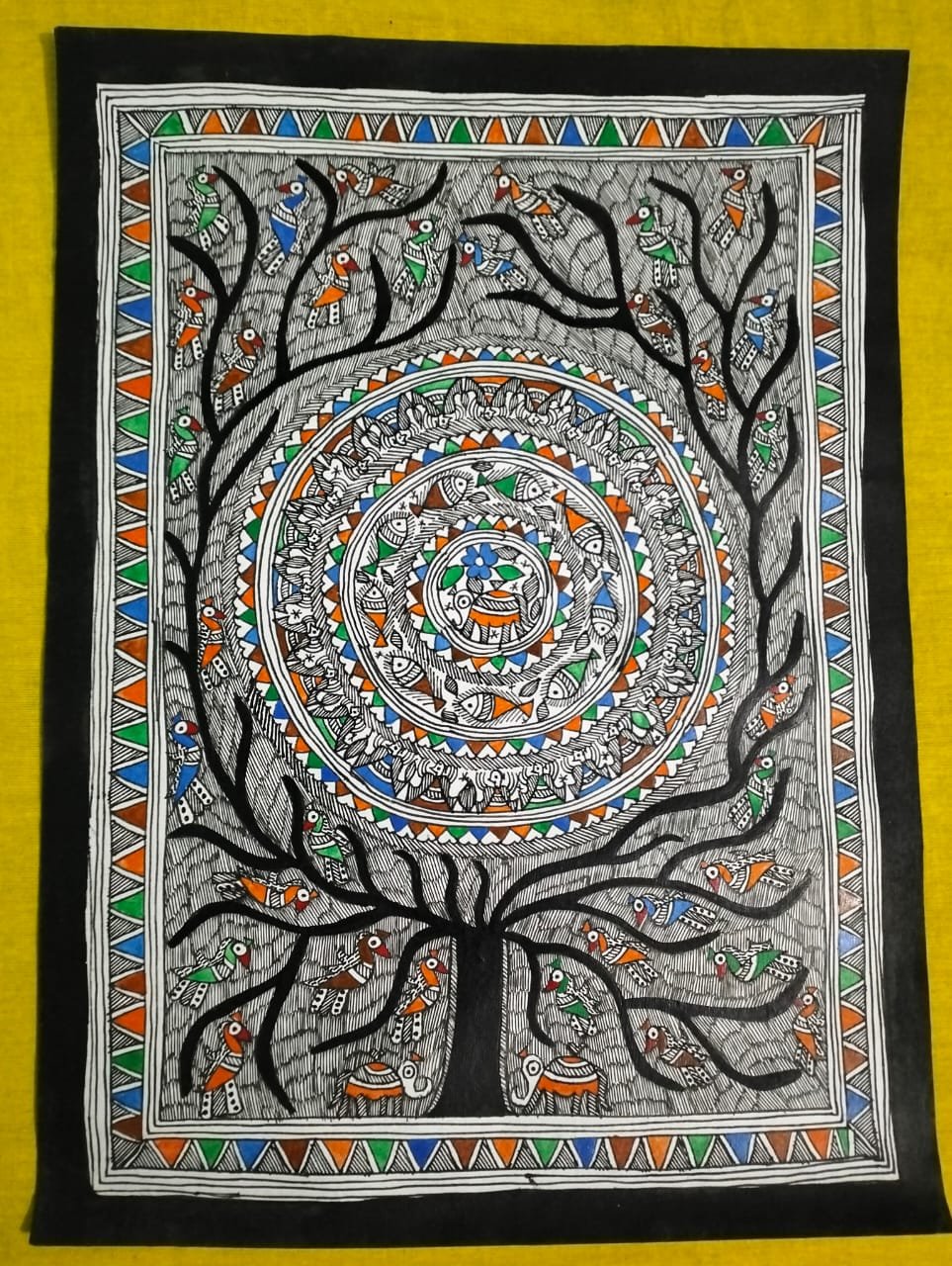
Unveiling the Ancient Art of Kalamkari: A 3,000-Year-Old Treasure of India
The Journey of Kalamkari
In the heart of Andhra Pradesh, India, lies a timeless tale of artistry and devotion. For over 3,000 years, Kalamkari has been the guardian of India’s cultural heritage, weaving stories of mythology and tradition into the very fabric of society. This exquisite hand-painted textile art form has been a cornerstone of Indian identity, passed down through generations with precision and love.

In days gone by, chitrakars, the wandering musicians and painters, would embark on a journey across villages, sharing the epic tales of Hindu mythology through their vibrant brushstrokes on canvas. These traveling artists brought alive the legends of Ramayana and Mahabharata, captivating the hearts of the villagers.
Hindu temples stand as testaments to Kalamkari’s grandeur, adorned with extensive panels depicting mythological episodes and iconography, reminiscent of Buddhist Thangka paintings. These masterpieces transport us to a realm of gods and goddesses, heroes and villains, and the eternal struggle between good and evil.
The Art of Kalamkari
Kalamkari’s uniqueness lies in its two distinctive styles: Machilipatnam and Srikalahasti. This ancient art form employs natural dyes and involves a meticulous 23-step process, showcasing the artist’s dedication and craftsmanship.
From Silk to Synthetic
While traditional Kalamkari remains a highly valued art form, its prints have become popular on various fabrics, including silk, cotton, and synthetic materials. Indian women cherish Kalamkari dupattas and blouse pieces, not just as a piece of clothing but as a symbol of their cultural heritage.
Kalamkari: A Timeless Legacy
This 3,000-year-old art form has stood the test of time, a testament to India’s rich cultural heritage. Kalamkari continues to inspire generations, its stories and artistry woven into the fabric of Indian society. Join us on this journey to uncover the secrets of Kalamkari, a treasure that will forever be etched in the annals of Indian history.